

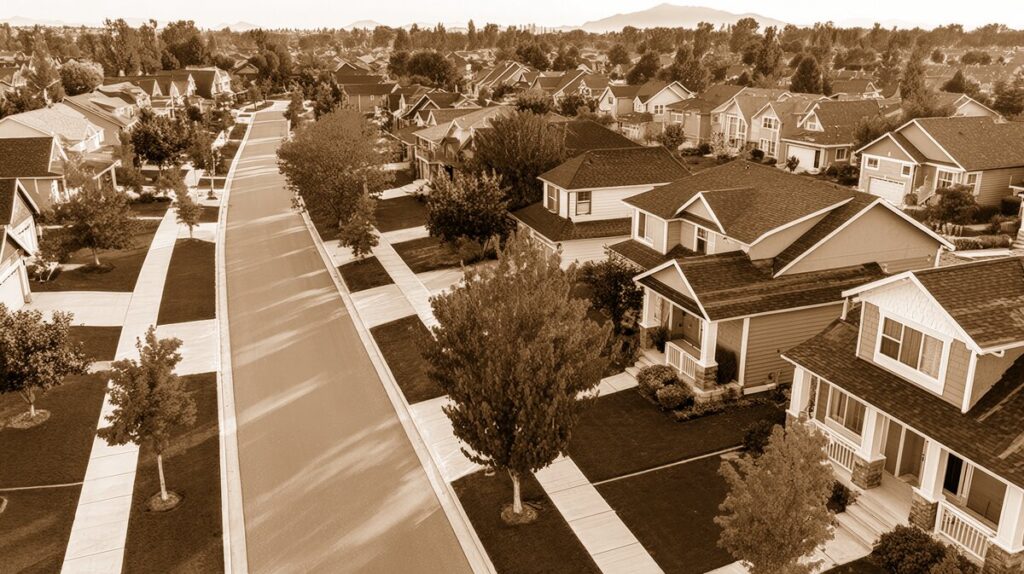
Nestled on the west side of Kinston, North Carolina, the Westwood neighborhood stands as an enduring testament to a community rich in history, Southern charm, and neighborhood pride. For generations, Westwood has represented the harmonious balance of tradition and progress — a place where oak-shaded streets and time-honored institutions blend seamlessly with evolving lifestyles. Whether you’re a lifelong resident or a newcomer, understanding Westwood’s history helps explain why so many families choose to call this neighborhood home.
The Origins of Westwood
The story of Westwood begins in the early-to-mid 20th century, when Kinston experienced a period of significant growth. The city, which had long thrived as a center for tobacco, textiles, and agriculture, began to expand westward from its bustling downtown hub along Queen Street. Seeking both tranquility and convenience, local developers recognized this area’s promise and began platting neighborhood streets radiating from the west side of the city limits.
The name “Westwood” reflects both the neighborhood’s direction from Kinston’s center and the wooded character of the land at the time. Mature oak and pine groves once dominated the area, creating a natural buffer from the industry and commerce of downtown. As the city grew, Westwood became known for its tree-lined lanes, spacious lots, and a sense of peaceful retreat — while remaining just minutes from the conveniences of central Kinston.
Key Historical Milestones
Westwood’s earliest homes date back to the 1940s and 1950s, when America’s postwar boom led to a surge in residential construction. Returning veterans and local business owners sought quiet streets to raise families, and builder-friendly land in Westwood meant that brick ranches and Cape Cod-style houses became the architectural norm. Over the years, subtle shifts in building design mirrored national trends, but these classic mid-century homes remain a signature sight along streets like Glenwood Avenue, West Highland Avenue, and Pecan Street.
A major milestone in Westwood’s history was the establishment of Westwood Park at the heart of the community. This green space, bordered by leafy residential streets, quickly became a neighborhood focal point for recreation and community gatherings. Annual events like the Easter Egg Hunt, summer picnics, and holiday light displays fostered a strong sense of connection among neighbors.
In the late 20th century, the area saw the construction of several small churches and the Westwood Shopping Center, which provided new opportunities for both spiritual and social life close to home. Local landmarks, such as the Kinston Country Club (just a short drive from Westwood) and the meticulously restored Harmony Hall in downtown Kinston, reflect the link between Westwood’s residents and the broader historical heritage of the city.
Notable Landmarks and Buildings
- *Westwood Park*: The true heart of the neighborhood, this shady park is beloved by families, walkers, and anyone needing a moment of green escape. Its playgrounds, picnic shelters, and walking paths invite gathering and relaxation.
- *Westwood United Methodist Church*: A cornerstone on West Vernon Avenue, this church not only offers worship but also hosts neighborhood outreach events and serves as a venue for community meetings.
- *Historic Homes*: Drive along Glenwood Avenue or the stately section of West Highland Avenue, and you’ll spot well-preserved brick homes with broad lawns and original architectural details. These homes, several of which date to the 1950s, reflect the postwar optimism that spurred Westwood’s growth.
- *Westwood Shopping Center*: While businesses have changed over the decades, the shopping center remains a key neighborhood landmark, meeting practical needs and serving as an informal crossroads for residents.
Evolving Through the Decades
Westwood’s development has always mirrored both the spirit of Kinston and the broader social changes sweeping across North Carolina. In the 1960s and 1970s, as the community matured, residents championed beautification projects and worked together to keep parks and public spaces inviting.
The 1980s and 1990s brought subtle demographic shifts, as both younger families and retirees made Westwood their home. The neighborhood became noted for its diverse age mix, with longtime residents welcoming new neighbors with the warmth that defines small-town Carolina living.
Today, Westwood stands as a living example of how eras overlap: children ride bikes down tree-lined streets just as their parents once did, and neighbors still wave hello from broad front porches. Thoughtfully updated homes line Pecan Street and Forest Drive, preserving the neighborhood’s character while accommodating contemporary tastes.
The spirit of volunteerism endures as well: garden clubs and neighborhood watches continue to nurture a sense of belonging, and annual events in Westwood Park highlight an enduring pride in shared heritage.
What Makes Westwood Special Today
Ask any Westwood resident what makes the neighborhood remarkable, and you’ll likely hear a common refrain: a genuine sense of community, the beauty of its mature shade trees, and a deep respect for tradition. Proximity to institutions like Northwest Elementary School, easy access to US-70, and the vibrant pulse of downtown Kinston add up to a neighborhood that is as connected as it is peaceful.
Westwood’s residents take pride in maintaining the charm of their homes and the integrity of their community spaces. Porch lights glow warm at dusk, children trick-or-treat each October, and block parties keep neighbors close. It’s the unique blend of yesterday and today — the echoes of history in every old oak and carefully tended garden — that makes Westwood a true Kinston treasure.
Whether you’ve caught a ballgame at nearby Grainger Stadium, picnicked in Westwood Park on a golden Sunday, or simply strolled the winding lanes with friends, you’ve experienced something special in Westwood. Its heritage isn’t just about bricks and streets; it’s about the generations of families who have helped shape the neighborhood into one of Kinston’s most beloved enclaves.
For newcomers and natives alike, Westwood’s mix of enduring tradition, shady avenues, and close-knit spirit is something to cherish — today, tomorrow, and for decades yet to come.